Anko Dango Near Me: How to Find the Real Thing
Typing "anko dango near me" into Google usually means one of two things — you've had it before and you're chasing that same soft-chewy, lightly sweet bite again, or you saw it somewhere online and you're curious what all the fuss is about. Either way, finding a version that's actually good takes a little more than picking whatever pops up first on the map.
Typing "anko dango near me" into Google usually means one of two things — you've had it before and you're chasing that same soft-chewy, lightly sweet bite again, or you saw it somewhere online and you're curious what all the fuss is about. Either way, finding a version that's actually good takes a little more than picking whatever pops up first on the map.
Here's an honest, practical guide to what anko dango actually is, what separates a great one from a mediocre one, and how to track down a place near you that's making it properly.
What Exactly Is Anko Dango?
Dango on its own is a small, round dumpling made from rice flour — mochiko or a similar blend — steamed or boiled until it's soft and slightly springy. On its own, dango doesn't taste like much. It's a canvas.
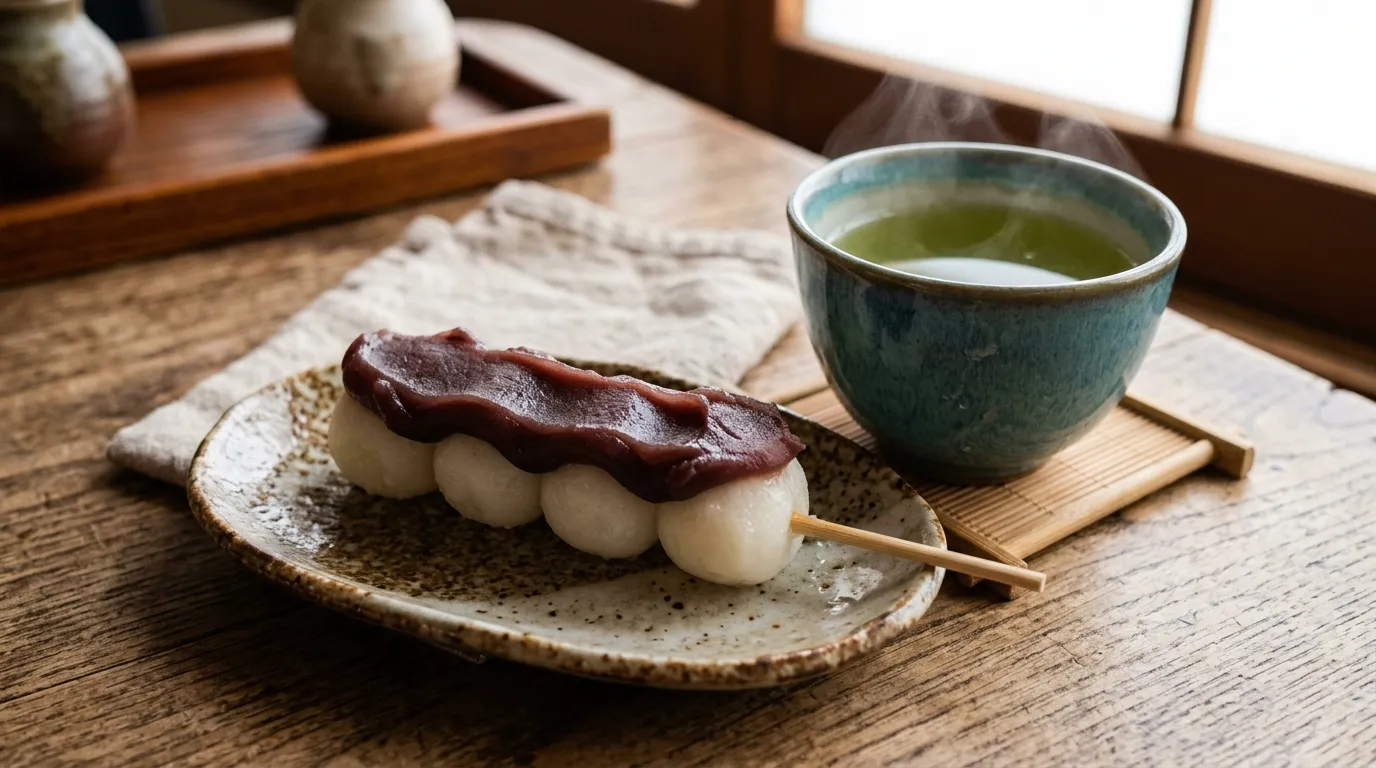
Anko is where the flavor comes in. It's sweetened red bean paste, made by slow-cooking azuki beans down until they soften, then combining them with sugar. Depending on how it's made, anko comes out either smooth (koshian) or chunky with visible bean texture (tsubuan). Anko dango is simply that paste served over or alongside the rice dumplings — sometimes skewered, sometimes plated loose.
It's a quieter dessert than most people are used to. No heavy cream, no chocolate, no intense sweetness. Just rice, beans, and sugar, done well.
Why This Simple Dessert Has Such Staying Power
Dango shows up throughout Japanese food culture — at hanami (cherry blossom viewing), tsukimi (moon viewing), tea ceremonies, and countless neighborhood festivals. It's less "dessert menu item" and more "thing people have been eating at gatherings for centuries." That history is part of what makes it appealing even outside Japan — it's a genuine tradition, not a trend built for Instagram.
That said, social media has absolutely helped. Colorful dango skewers photograph well, and that visibility has introduced a lot of people outside Japan to a dessert they'd never have searched for otherwise.
How to Actually Find Good Anko Dango Near You
- Start with Japanese-specific spots, not general Asian fusion menus. A restaurant that specializes in Japanese food — a proper Japanese bakery, a wagashi (traditional sweets) shop, or a tea house — is far more likely to make dango correctly than a spot that lists it as a side item on a broader Asian menu.
- Search smarter than just "anko dango near me." Try combining it with terms like "wagashi shop," "Japanese tea house," or "mochi bakery" in your area. These often surface small, specialty spots that don't heavily advertise but do the dish justice.
- Check Asian grocery stores with in-house bakeries. Larger Japanese or Asian supermarkets sometimes have a small bakery counter making fresh dango daily. It's often overlooked because people don't expect dessert quality from a grocery store, but it can rival dedicated cafes.
- Look at what locals are actually saying, not just star ratings. A 4.5-star rating tells you little on its own. Read a handful of reviews specifically mentioning dango or Japanese sweets — that's where you'll catch mentions of freshness, texture, and whether the anko tastes homemade or store-bought.
- Watch for seasonal or festival vendors. Japanese cultural festivals, cherry blossom events, and pop-up markets often bring in vendors making dango fresh on-site. These tend to be some of the best versions you'll find outside of Japan itself.
What Separates Great Anko Dango From Average Anko Dango
| What to Check | Great Anko Dango | Average / Mass-Produced |
|---|---|---|
| Dango texture | Soft, slightly springy, not sticky or hard | Dense, rubbery, or dry from sitting too long |
| Anko texture | Smooth or evenly chunky, not gritty | Overly sweet, grainy, or thin/watery |
| Freshness | Made same-day, served at room temp | Refrigerated for days, texture stiffens |
| Sweetness level | Balanced — beans taste like beans | Sugar-forward, masks the bean flavor |
| Ingredients | Rice flour, azuki beans, sugar, water | Fillers, artificial red bean flavoring |
If a shop can tell you when the anko was made and what beans they use, that's usually a good sign you're in the right place.
Ways People Enjoy It
The classic pairing is anko dango with green tea — the tea's slight bitterness balances the sweetness of the bean paste, which is exactly why it became a tea-house staple in the first place.
Some shops put their own spin on it: a light soy glaze (closer to mitarashi dango), seasonal fruit variations, or matcha-flavored dango paired with anko instead of the plain rice version. None of these are "less authentic" — dango has always had regional and seasonal variety.
If you can't find a shop nearby, packaged dango and canned or jarred anko are available at most Asian grocery stores, and making a batch at home is a genuinely approachable weekend project if you want to understand the process firsthand.
Is Anko Dango Gluten-Free?
Generally, yes — traditional dango is made from rice flour, not wheat, so it doesn't contain gluten. That said, some shops use blended flours or add wheat-based glazes and toppings, so if you're avoiding gluten strictly, it's worth asking rather than assuming.
Frequently Asked Questions
Mild and lightly sweet. The rice dumplings themselves are close to neutral, while the anko brings a smooth, gently sweet bean flavor — nothing close to the sugar level of most Western desserts.
It's most commonly served at room temperature. Some shops chill it slightly in warmer months, but it's rarely served hot.
Japanese bakeries, wagashi shops, tea houses, larger Asian supermarkets with bakery counters, and Japanese cultural festivals are your best bets.
Best eaten the day it's made. The rice dumplings firm up and lose their soft texture within a day or two, even refrigerated.
Yes. You'll need rice flour (mochiko or shiratamako) for the dango and either homemade or store-bought sweet red bean paste for the topping. It's a simple recipe, though getting the dango texture just right takes a bit of practice.
Final Thoughts
The best anko dango near you probably isn't the first result on a map search — it's the small wagashi shop, the neighborhood tea house, or the grocery store bakery counter that people rarely think to check. Once you find a place that gets the texture and balance right, it's easy to see why this quiet, simple dessert has stuck around for centuries. Worth the extra bit of searching.
Enjoyed this Food guide?
Explore more Food articles or submit your own culinary guest contribution on CracksTube.